MEET. George Craig

© George Craig

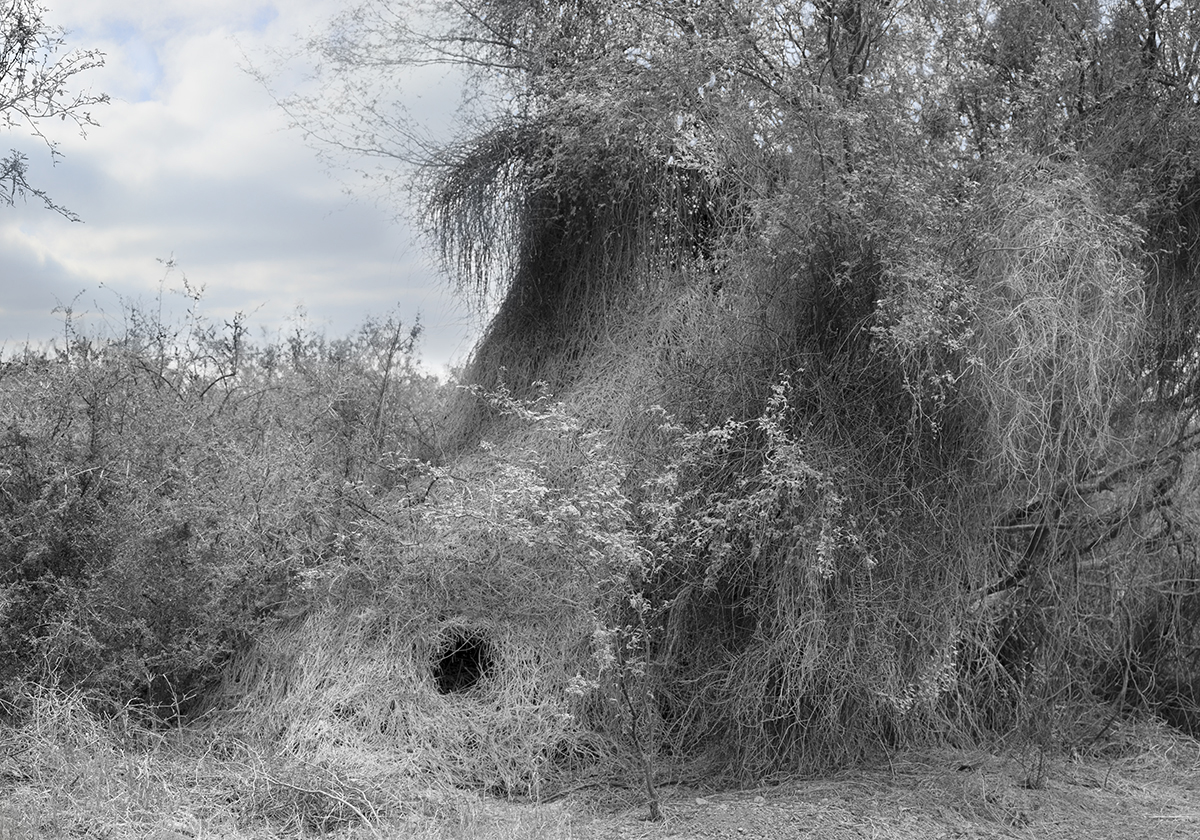
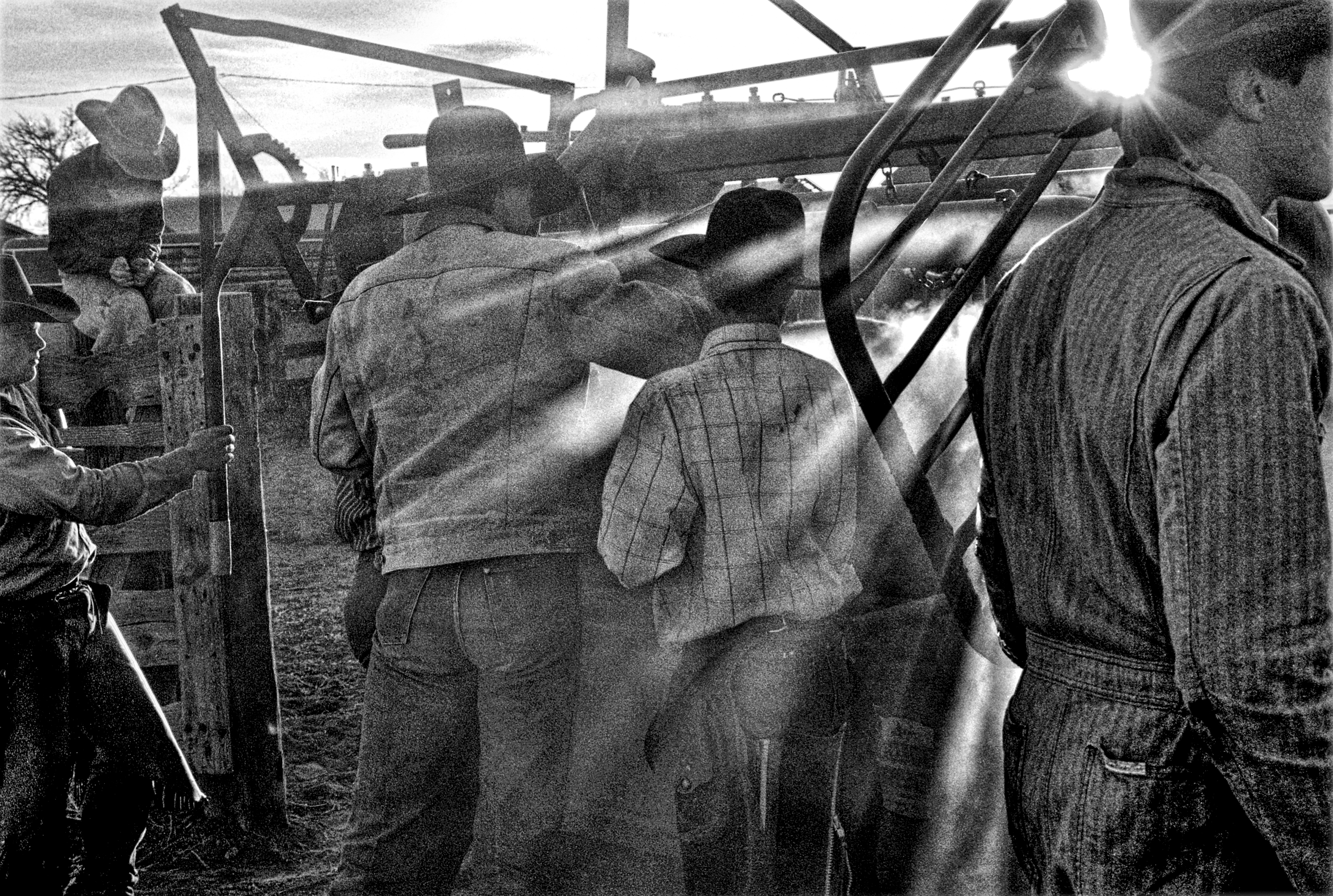
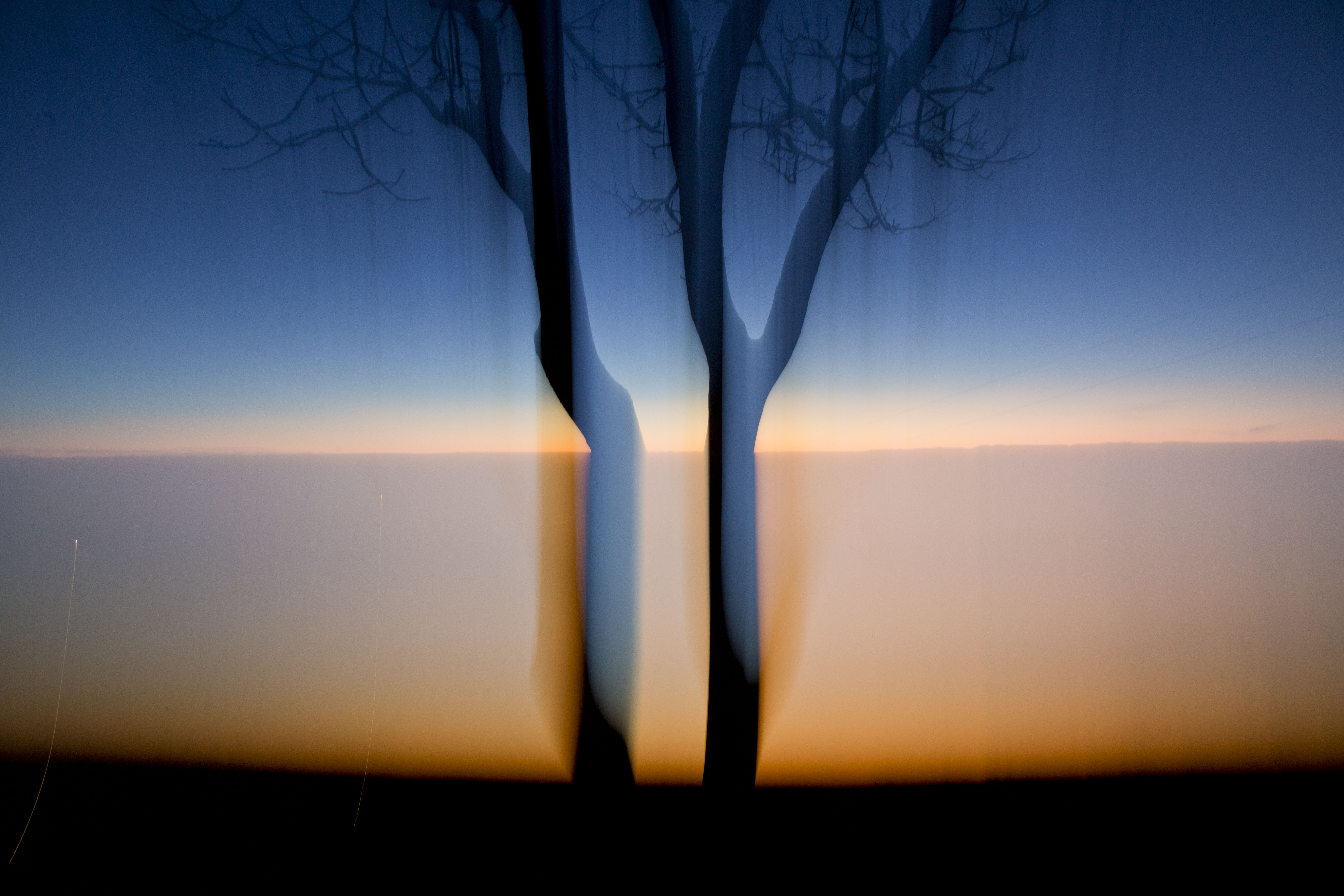
Meet Texas-based photographer and fine-art printer George Craig. George was the 2024 Best in Show winner for APA LA’s Off the Clock photo exhibition and one of the top Untitled finalists in 2020. He began his photography journey capturing images during surf trips to Mexico in the 1960s. He holds a Bachelor’s in Photojournalism from the University of Texas, School of Communications.

Do you have a favorite podcast? 
When we do road trips, for which there are many, my wife and I choose podcasts according to where we are headed, so they are always something to do with the history or the geography of the area we are touring.

What 3 words best describe your photography style? 
Simplistic…Abstract…Graphic

What inspires you? 
Found objects and scenes in nature and the natural world. As I am not as involved in the corporate work as much as the fine art part of photography, my vision starts with what I can see…what I find while out in the world, and then try to capture that in my shooting style.

What’s your favorite thing about being a photographic artist?
Using the tools and techniques that I have accumulated over the years. From the commercial side of my work, I was a storyteller. I try to do the same with my artwork and let the image, or series of images tell the viewer the how and why they are meaningful.

When you aren’t making photographs, what other pastimes do you have?
At present, I am doing more printing than shooting. I have a huge inventory of color and b&w film that I have shot over the past 50 years. Going back and finding new images that were overlooked in the first round of selection is very exciting. Utilizing modern technologies to scan and print images that I had never thought of when they were captured, is like being back there again in that moment.

Who have been your biggest influences?
Henri Cartier-Bresson for photography, my father for doing business, Lewis Portnoy for involving me in the world of sports photography before auto focus and automatic cameras. The tools and methods I learned to shoot fast-moving objects/people helped me immensely to look at and be prepared for anything I see through the viewfinder.

What was the best piece of advice you were given starting out? 
My father who has been in the advertising business most of his career, said to NOT work for Ad Agencies…work directly with the client/customer/designer. You will have better communication and feedback about the project, and you will ultimately get paid quicker.

What are the current challenges that you face as photographers and artists? 
With the over-saturation of imagery…tv, internet, social media etc, the viewer is overwhelmed with visual stimuli. It is my (our) duty to educate the prospective clientele we are after, as to what is good and why.

Of course art is appreciated by the eye of the beholder, and we (I) have to create images that strike a chord with the viewer. I can’t reach everyone, but those that I do make the difference to me in their appreciation.

What have been some of the highlights and challenges of your career so far?
Most of all, meeting some of my musical heroes, Sonny Rollins, Johnny Cash, Linda Rondstadt, BB King, James Brown, Vicente Fernandez…being on tour with ZZ TOP, Clint Black, Asleep at the Wheel to name a few, that was the fun part. Most of my work was within the corporate sector, primarily within three divisions, industrial, healthcare, and education. 90% was in locations scattered over the world. Meeting and learning about nano-science from the individuals themselves, the discoveries of new ways to fight diseases, and the dedication that educators, scientists, and researchers have to their craft was so inspiring to me in my small world of telling their story with photography.

What were you doing before you became a photographer?
I have really never done any other type of work. In college I worked in a commercial darkroom that specialized in large b&w murals…some for advertising, but most work was for interior design/office or museum decoration. We printed one mural that was 16′ tall, and 42′ wide. Old school ways that taught me how to be a better printer, which I still enjoy doing today. I have had a darkroom in my home or studio since the 1970s and find the practice of analogue printing very satisfying, spending minutes and hours producing an image, and not just seconds at the computer.

If you weren’t a Photographer, what would you be doing?
Building something…I have built, from the ground up, three different studios, two different homes, and remodeled all the others that I have inhabited. Our current home was designed by me, and I did all the interior build-out and finishes as well…I like to keep busy with my hands. Currently I am helping my sister build her home out near ours, a 3,000 sqft mid-century modern design.

What do you do when you get stuck?
We live out in the countryside, so just sitting out in the morning, watching the sunrise over the Guadalupe River Valley where I can see for miles with very little noise except for birds and other native animals waking up to the day as well. I get to reflect on the peace and quiet

I have so many projects going on, from building, to digital printing, to darkroom work, so there is always something else to turn to and get a change of perspective and let the “stuck” idea have a rest.

What is your best advice for your peers?
Be a part of the photographic community. As a lifetime member of ASMP and an almost 10-year veteran of APA, join with your fellow creatives at your local and national meetings. We had monthly ASMP gatherings, and although these members are your competition, sharing stories, both good and bad, helped me to strive to become better in my craft, and never think that you know it all or have done it all … there is always something new to discover if you open up your eyes and your mind.

What advice would you give to yourself if you could go back 10 years? 20 years?
I have been working on my fine art photography over the past 10 years, and should have been looking closer at competitions (like the APA untitled/Off the Clock/Something Personal) that were focused on the “creative” or personal work. There are many opportunities, through galleries and groups, to present and show the personal work that all of us have. Eventually the commercial work will end, but the process of being creative will remain and these alternative outlets will be the key to remaining and working on personal photographic projects.

20 years ago, with commercial work still in full swing, I should have been more proactive with my capabilities with Drone and Motion photography. I hired third parties to help with those work streams, and if I had done the homework and educated myself in those areas, I would have been able to offer clients a wider range of capture capabilities. Of course, my argument was to keep focused on what I knew the best, still photography, but one cannot predict the future and see how diluted the market would become, forcing rates to fall, and the acceptability of great photography to diminish as well. I am speaking personally on this issue … but when a client tells me (about 20 years ago) that he did  not need to send me out to a specific location because … ‘our employee Bob can get a shot of this site with his cell phone that will work…’

Check out more work from George Craig.
MEET. Lisa Miller

© Lisa Miller

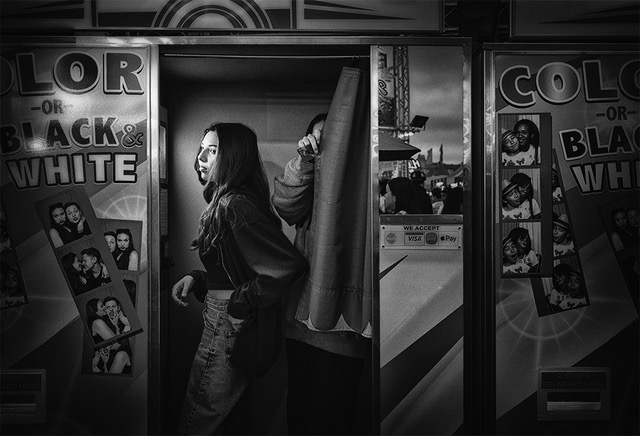
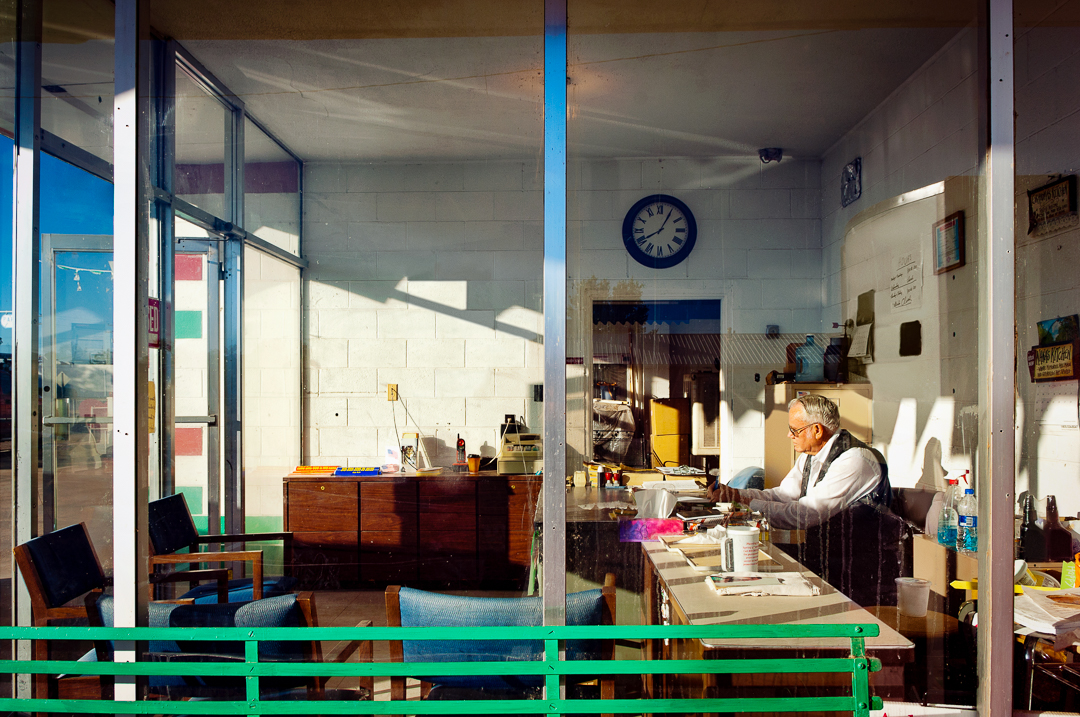
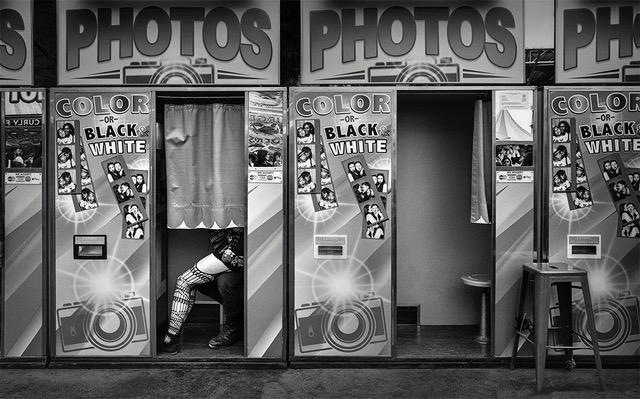
Meet La Jolla based fine-art photographer and APA member, Lisa Miller. Lisa’s work employs tone and shadow to distill complex details to their essence.

What 3 words best describe your photography style? 
Precise, nostalgic, moody.

What inspires you? 
I am inspired by other photographs. I enjoy looking at the works of famous photographers from the past as well as images I see in current media. The beauty of the natural world is a constant inspiration. While in Iceland recently, I was overwhelmed by its simplicity and magnificence.

What’s your favorite thing about being a photographic artist?
I think photography makes you look at the world more closely. It makes you more attentive to your surroundings as you see compositions, patterns of light, interesting people or chance juxtapositions.

When you aren’t making photographs, what other pastimes do you have?
I enjoy cycling, walking, travel, reading, visiting museums, and working with underserved teens through my Rotary club.

Who have been your biggest influences?
Artists such as Rembrandt, Salgado, Kertész and Sam Abell. I took one of Sam’s workshops in the late ’90s. Recently I attended another one. It was fun to see him again and learn from him after all these years.

What was the best piece of advice you were given starting out? 
Shoot what you like. You don’t have to pigeon-hole yourself or stick to a niche. I love still life photography, but the advice has encouraged me to pursue street photography and landscapes, which I also enjoy.

What have been some of the highlights and challenges of your career so far?
I have enjoyed having my work displayed in galleries and in international contests. Another highlight has been the opportunity to meet and interact with people involved in photography. They’ve provided different perspectives and insights that I’ve learned from. I find it challenging when my work is evaluated within certain paradigms. I have decided to make photographs that I like, even if they “break the rules.” 

What were you doing before you became a photographer?
I was a pediatric orthopedic surgeon.

If you weren’t a Photographer, what would you be doing?
I am retired so I would probably be doing something else I really enjoy.

What do you do when you get stuck?
If I get stuck processing a certain image, I move on to another one or take a break. I think I’m fortunate that I don’t have to produce work under a deadline or for a certain customer. It allows me to be creative and make something I like.

What is your best advice for your peers?
Make images that appeal to you. Also, seek out critiques of your images and don’t be too sensitive about criticism. If you don’t like what a judge said, reconsider it a few days later. Most people are just trying to help and if you are too sensitive, you likely won’t improve as quickly as you could. Set goals for yourself. That keeps you striving to improve.

What advice would you give to yourself if you could go back 10 years? 20 years?
Take more time off to enjoy photography.

What is a photographer’s role now that technology has made it so much more accessible to the masses? 
Photographers can teach the public the principles of how to “read” a photograph. While any given photograph may appeal to someone, there are basic principles that make a “good” photograph, whether it be composition, storytelling, etc. The more the public understands these principles, the more they are likely to enjoy photography and make images that others appreciate.

Check out more work from Lisa Miller.

MEET. Jennifer Curry Wingrove

© Jennifer Curry Wingrove

Meet San Diego-based photographer and director, Jennifer Curry Wingrove. Jennifer was also the Untitled People’s Choice recipient in 2023.

Do you have a favorite podcast? 
I do not. I tend to take online courses of interest rather than listen to podcasts. 

What 3 words best describe your photography style? 
Dynamic, Vibrant, and sometimes Whimsical 

What inspires you? 
Spectacular productions, breathtaking landscapes, expressive dancers, music that speaks to the soul, nature, and a good cup of coffee.

What’s your favorite thing about being a photographic artist?
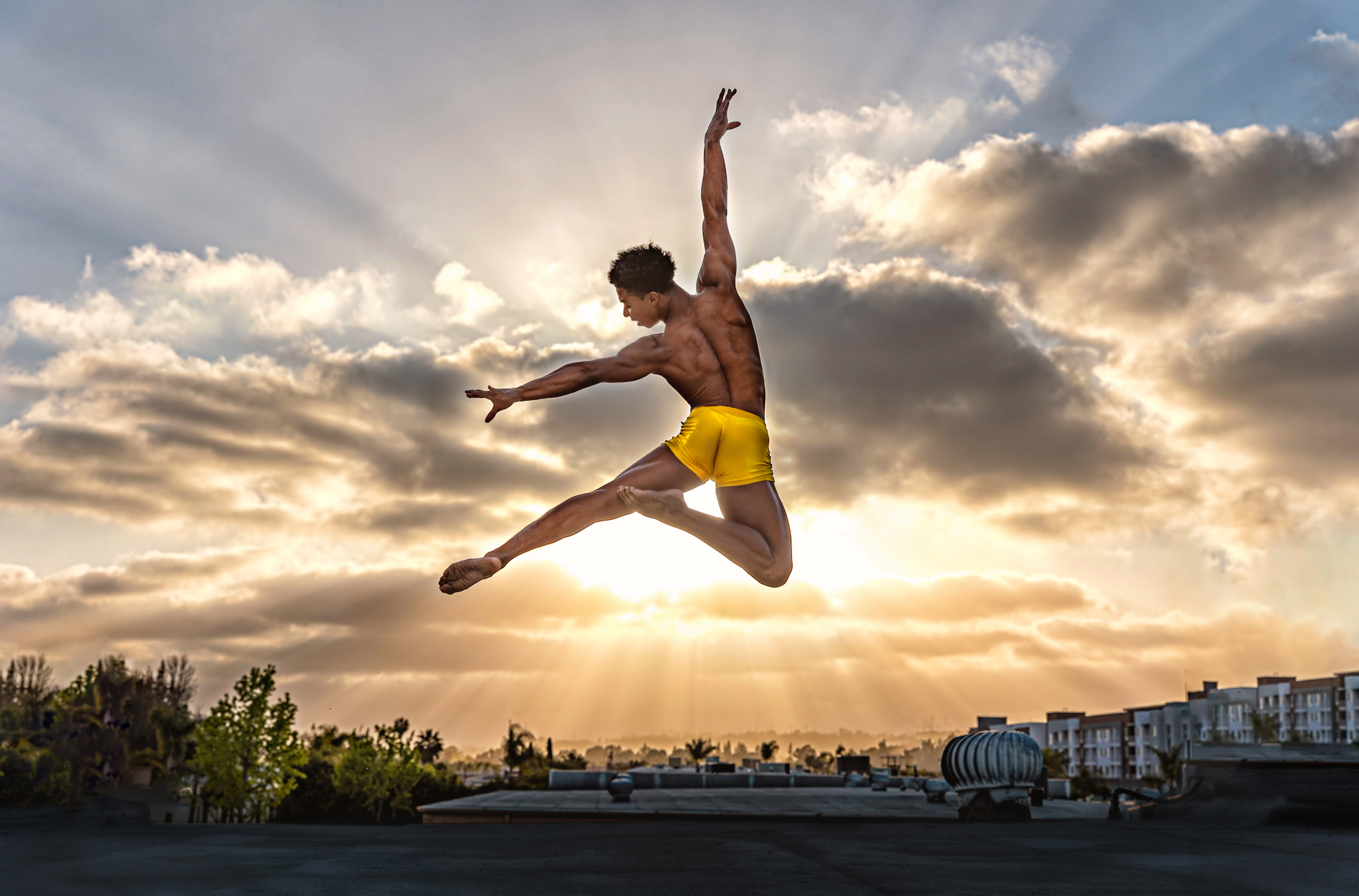
Bringing joy and awe to my clients and audience alike. Photography also gives me an opportunity to create and express my artistic self, which is important to me as I am a retired dancer and no longer have the ability to express myself through movement. I also get the opportunity to teach and mentor in the photography world, which I love! 

When you aren’t making photographs, what other pastimes do you have?
I love traveling the world! When I am at home, I enjoy Pilates, plants, and my adorable fur babies! 

Who have been your biggest influences?
I will never forget receiving a postcard with an image of 2 dancers on it taken by the incomparable Lois Greenfield, who started her Dance Photography adventures back in the 70’s. I was 12 at the time, and put the black and white postcard on my vanity mirror. I started collecting more of her work, including a book that I recently had signed by Lois herself when I had the opportunity to take a dance photography course from her at a dance photography conference. I was giddy to meet her and learn from her. Other influences include Ken Browar and Deborah Ory, who created the NYC Dance Project, a photography project that combines dance and fashion. Rachel Neville is also in New York creating inspiring and dynamic images of dancers. I had the opportunity to take a few courses from her, and she inspired me to open up my own photography studio. And let’s not forget the iconic Joe McNally, who I had the incredible opportunity to model for. His books are full of valuable information as well as a great sense of humor. 

What was the best piece of advice you were given starting out? 
Take risks – push through your vulnerabilities. Every famed artist started at the beginning! 

What are the current challenges that you face as a photographer?
In a world where phone camera technology has developed so incredibly, many people see no need for commercial portrait photography. All of a sudden everyone is a “Photographer”. Keeping a photography studio business alive is a huge challenge these days, and one I am personally trying to overcome. 

What have been some of the highlights and challenges of your career so far?
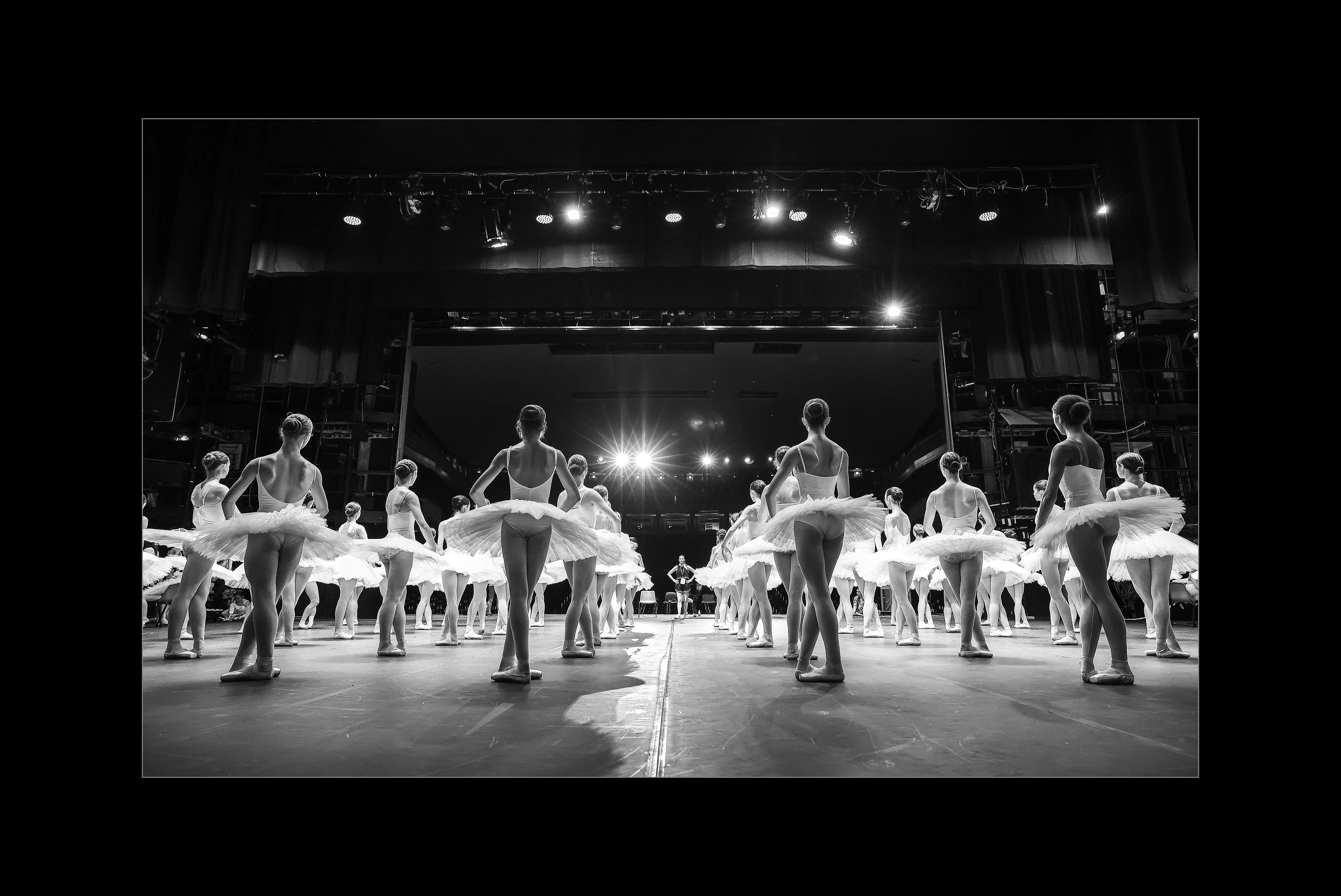
So many highlights! Becoming a specialized dance photographer has brought many fun opportunities my way – including a current contract that has me touring worldwide with an organization called Youth America Grand Prix, which has been described as the “Olympics of Ballet”. I photograph the performing dancers from the wings, which is a very comfortable and familiar perspective for me as a retired Ballerina. The tour also includes photographing famous ballet dancers in Gala Performances at the Lincoln Center in NYC as well as stages in Italy, Paris, and Barcelona. Challenges? As stated above, maintaining a brick-and-mortar studio when rent is can be overwhelming. 

What were you doing before you became a photographer?
I was a professional ballet dancer, and even earned the title of “Ballerina” with the California Ballet Company here in San Diego. Ballet was my everything. My mother was the dance photographer for the company for many years, so I had the opportunity to shadow her and learn film photography and processing. I grew up with a darkroom in my garage! Dance photography was a natural transition for me after retirement. 

If you weren’t a Photographer, what would you be doing?
If I was not a photographer (and had an unlimited source of income) I would be Producing and Directing shows!! I have successfully produced, directed, choreographed, and performed in 4 award-winning full length aerial-dance shows, and LOVED it. However, finances (and Covid) resulted in me stepping away from such adventures and further focusing my energies and attention into my photography business. 

What do you do when you get stuck?
I reach out – to mentors, to friends, to community. Others see things differently than I do, and can often offer a different perspective that I may have missed. Also, I go see shows (photography, dance, theater), and those always get my creative juices flowing again. 

What is your best advice for your peers?
To do the same – stay connected to a community that resonates with your craft. See other people’s work. Ask questions. Keep exploring. Keep learning. 

What advice would you give to yourself if you could go back 10 years? 20 years?
Stop worrying so much about what other people think.  
Take risks. 
Don’t give up when things don’t go as planned.  
Trust your instincts.  
Find play in work.  
Value friendships and relationships deeply. 

What is a photographer’s role now that technology has made it so much more accessible to the masses? 
To bring creativity and value to the table. To create experiences with their clientele. 

Check out more work from Jennifer Curry Wingrove.

MEET. Annie Omens

© Annie Omens

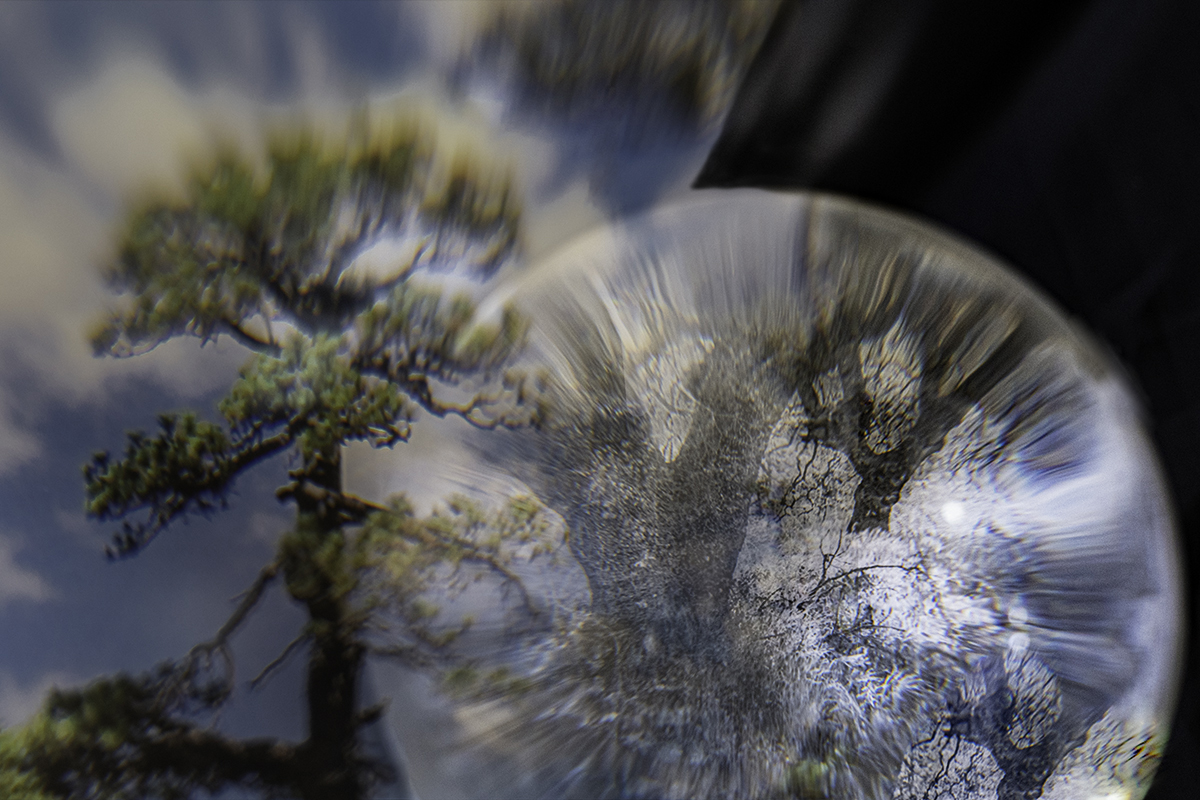
Meet San Diego-based photographer and APA member, Annie Omens. Annie is a photographic and mixed media artist who explores the natural world with a conscious perception of what is hidden, what is known, and how nature impacts the human psyche.

What 3 words best describe your photography style? 
Detailed, mystical, layered.

What inspires you? 
I am inspired by nature and am always challenged to reveal what might be hidden beneath the surface.

What’s your favorite thing about being a photographic artist?
I enjoy working with mixed media but love the immediacy of photography.

When you aren’t making photographs, what other pastimes do you have?
I love riding horses and walking my dogs in nature.

Who have been your biggest influences?
In college, my teacher, Fred Endsley influenced me by “seeing me” and encouraging me. Currently, Aline Smithson has inspired and supported me as a mentor.

What was the best piece of advice you were given starting out? 
Be yourself and keep going (don’t quit).

What are the current challenges that you face as a photographer?
For me, learning and keeping up with social media is challenging.

What have been some of the highlights and challenges of your career so far?
The challenge has always been the business part- writing, marketing, and social media. A recent highlight has been being part of a collective of women photographers and showing with them nationally.

What were you doing before you became a photographer?
Wondering how to make a living in photography. Haha. I was considering graduate school. I was substitute teaching in a public school system, and then assisting a big-name photographer. I was getting little jobs in photography that wet my appetite, putting me on a path of knowing what I wanted to do. I just didn’t know how to get there. Being an assistant opened up my eyes to the business of photography, and sort of pointed me in a direction.

If you weren’t a Photographer, what would you be doing?
I have been a fine artist my whole life, and since that did not pay the bills, and, I loved to travel, I worked as a flight attendant for many years.

What do you do when you get stuck?
Don’t force anything, take a break.

What is a photographer’s role now that technology has made it so much more accessible to the masses? 
It’s important to understand what a good photograph is in artistic terms.  Knowing about composition, color, or tone, line, scale, texture, light, etc., allows you to convey what you want to express with the most impact.

In response to the current technology, in the fine art world, there seems to be a return to alternative methods of photography by going back to film and crafting an image physically by hand instead of on the computer. It’s also exciting to see how photographers are redefining what a photograph is by printing on different substrates, and displaying them in unique ways or working with mixed media.

Check out more work from Annie Omens.

MEET. Eric O’Connell

© Eric O’Connell

Meet Texas-based photographer, Eric O’Connell, who specializes in advertising and corporate photography. Eric works with clients ranging from Oracle, Microsoft, Wired, Ritz Carlton and more. “My work highlights the heroic, the relatable the contrasts and contradictions in our humanness.”

Do you have a favorite podcast? 
Not a favorite per se, but I like several. I generally gravitate towards either a quick, one-off story, or a longer story spread out over several episodes. In no particular order: WTF with Marc Maron, The Witch Trials of J.K. Rowling (from The Freepress) – I recently listened to this, and it’s fascinating. Freakonomics, and RadioLab are always interesting. Some photography-related podcasts I have in my feed: Storytelling for Change; The Messy Truth; Dear Art Producer.

What 3 words best describe your photography style? 
Moody, Relatable, Direct (honest)

What inspires you? 
The heroic in the everyday person; subliminal contrasts; the forgotten, or those with no voice.
Lighting inspires me. Crafting with light. Learning.

What’s your favorite thing about being a photographic artist?
I love that the camera, and this career, has been a key to other worlds I would not normally be allowed to see, or experience. I love that I get to learn about so many different people and places. I am also a fan of the collaboration that happens, especially with commercial photography.

When you aren’t making photographs, what other pastimes do you have?
Cycling is probably #1. Mountain biking and road biking and city biking and … all bicycling.
Also, eating well, and cooking. I love cooking. Hiking and camping.

Who have been your biggest influences?
I am continually influenced on a daily basis by those around me, some having nothing to do with photography, per se. Photographic influences seem to crop up when I least expect them. Perhaps I take a photo, and want this or that in the photo, only later discovering a photo in history that had some similar characteristics that, at the time, I hadn’t thought about. Lasting influences seem to be hidden in the subconscious somewhere. I can point to influences in lighting (Albert Watson), ideas (the design group Hipgnosis), structure and craft (Irving Penn), nature and storytelling (Michael Nichols), beauty, stillness, landscape (Michael Kenna), black and white stark printing and use of negative space and wide angle (Bill Brandt).

What was the best piece of advice you were given starting out? 
I was told to take 2 weeks, use some particular gear (whatever I had), and shoot everyone you know. At the end of that time period I had a portfolio that looked like one person’s vision and that is what I took to NY City and got my first jobs.

What are the current challenges that you face as a photographer?
The ever-shifting technological landscape makes it hard to locate where photography fits within. Getting simple jobs––an actor’s headshot, for example––used to be a little “bread and butter.” But, with the democracy of who can take a photo, what people expect to pay is far less––sometimes not even worth it. AI, and any new technologies always present a challenge. How to work with and use them?

What have been some of the highlights and challenges of your career so far?
There are so many highlights, and challenges. As a kid I lusted after hot rod cars; had debates whether driving a funny car, or a dragster would be a better experience (dragsters always won for me). I looked at magazines filled with images of ‘top fuel’ racing. Later, as a photographer, I had the perfect job: Shoot a drag racer for Silhouette Eyewear (who drives a dragster!). That kind of thing has always been a highlight that only photography could bring about.

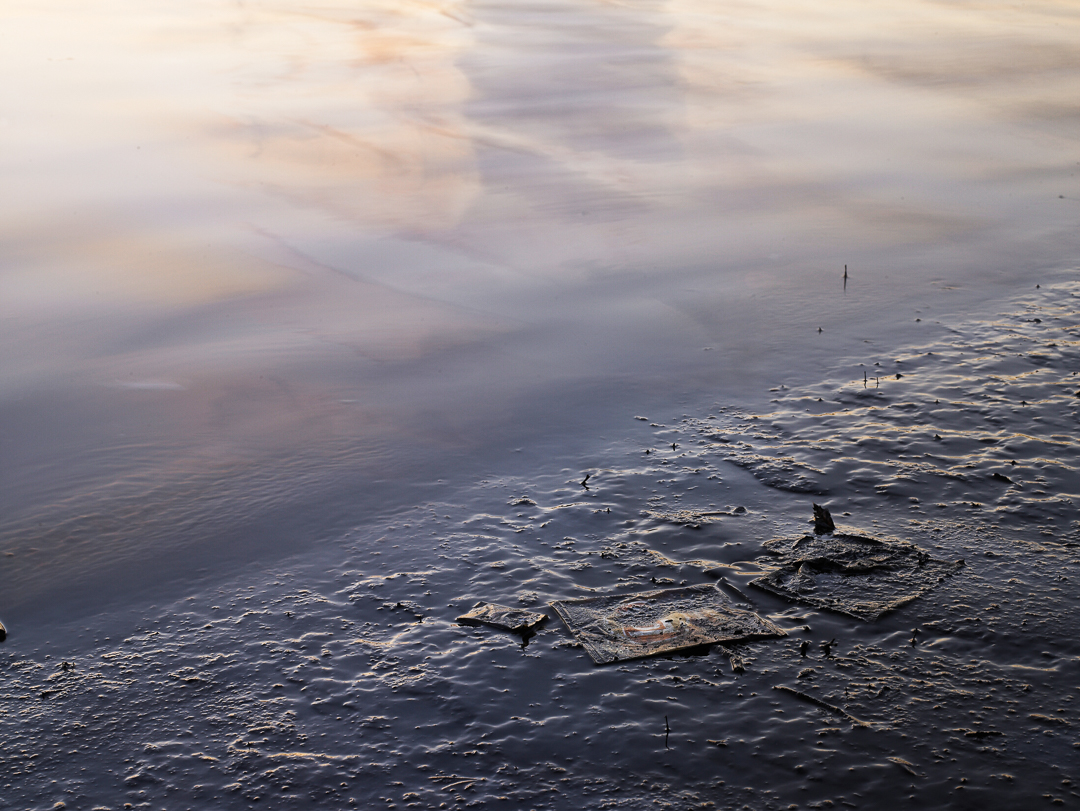
As a photographer, I’ve had to reconcile what making images in this time means, and how they are translated across media. For example, my 9/11 images, though striking and moving, and coming out of a photojournalism perspective (I have a degree in photo-j), made me question what I was doing as an advertising and (at the time) editorial photographer. That event alone shook my foundations and made me question my role as one who makes photos to sell something to someone. I questioned whether it was worth it or not. Instead, was it better to take photos that talk about how I see the world? Unfortunately, at that time, my view of the world post 9/11 was cynical, and, for example, looking at a polluted waterway (I did a small personal project on Newtown Creek, the most polluted waterway in the United States) wasn’t something that got me work through my normal channels. I didn’t know where to look, or how to find my own relevance in doing something that I was trying to make a political statement with. The challenge for me is finding what I want to say, and finding a way to say it.

That reflection has made me reflect and pursue some other projects––artistic projects––and led me to Germany and Europe to take a look at different cultures with my Cowboys: East Germany project. That project opened up a new world for me. It also made me realize that part of my process of growing and evolving led me to teaching at a university. Sharing my experiences and knowledge to a new generation has been fulfilling.

What were you doing before you became a photographer?
Wondering how to make a living in photography. Haha. I was considering graduate school. I was substitute teaching in a public school system, and then assisting a big-name photographer. I was getting little jobs in photography that wet my appetite, putting me on a path of knowing what I wanted to do. I just didn’t know how to get there. Being an assistant opened up my eyes to the business of photography, and sort of pointed me in a direction.

If you weren’t a Photographer, what would you be doing?
Making images, or art of some sort. It’s hard to say. Perhaps journalism (which now has its own set of problems), or most likely anthropology (cultural) because I like being out and about in the world and looking at how people live, work, play, etc. Some act of discovery in whatever form that is, is what I would be engaged in.

What do you do when you get stuck?
Reach out to my tribe, my friends, my books, new ideas, art… it’s an active process to become unstuck. Take photos, and let my mind go.

What is the best advice for your peers?
People will hire you for your vision and your POV. Believe in it, and stick to it.

What advice would you give to yourself if you could go back 10 years? 20 years?
Save money. Learn about business practices. Set up your photography business like a business. Believe in your vision then, and go for it! (Otherwise, you’ll get lost).

What is a photographer’s role now that technology has made it so much more accessible to the masses? 
Technology frames the urgency to produce imagery that creates genuine human emotion, instead of something that you prompt into place.

Check out more work from Eric O’Connell.

MEET. Matt Furman

© Matt Furman

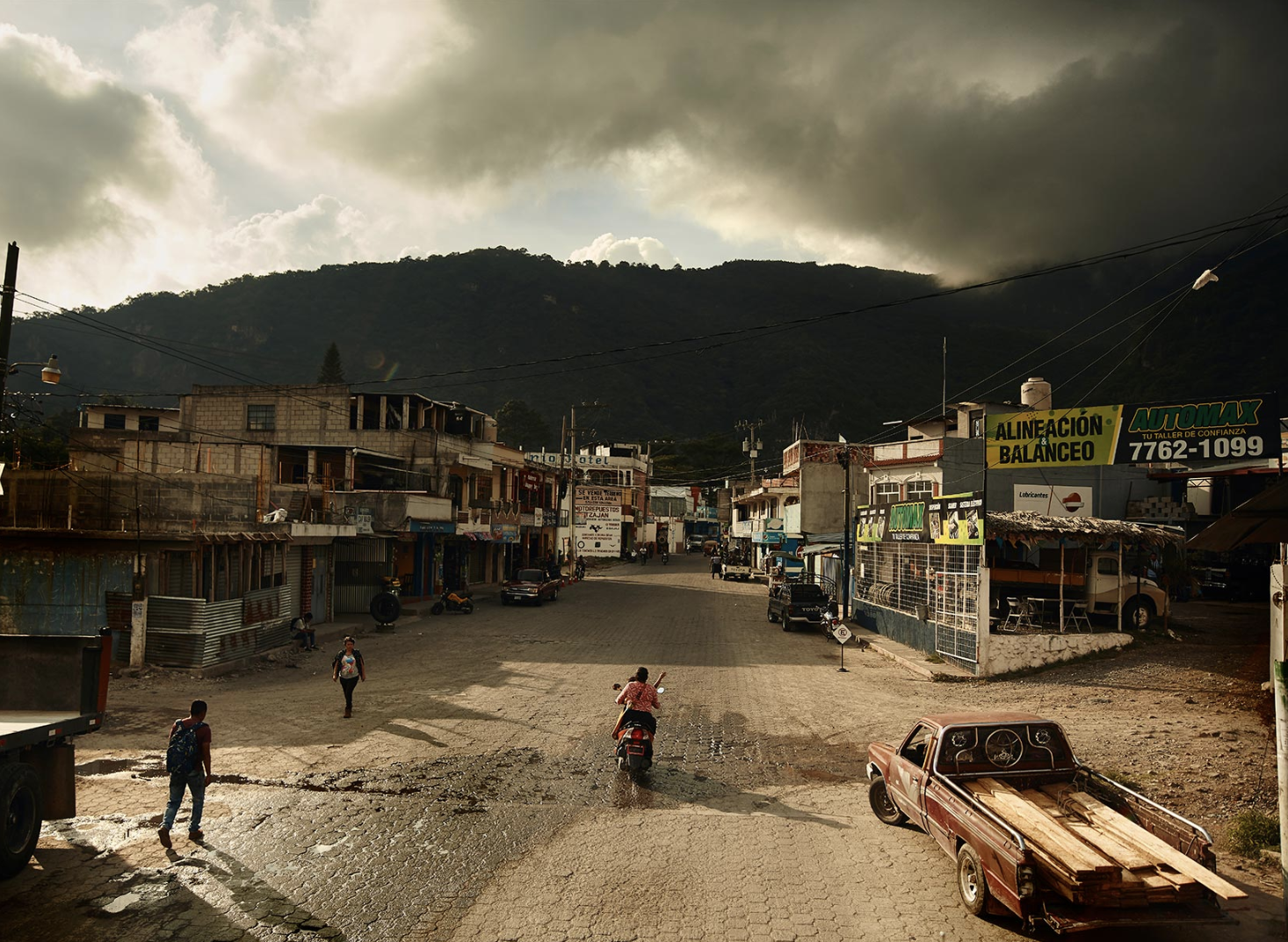
Meet San Diego-based Commercial and Editorial photographer, Matt Furman, who specializes in corporate, sports and editorial portraiture. Matt was also an Untitled 2023 finalist for his 75th anniversary cover image for San Diego Magazine.

Do you have a favorite podcast? 
Not really, I mainly listen to music and some sports radio.
I do have a great Spotify playlist for shoots though – ‘The Goldmark’  – made by my friend DJ Nugget and it’s a perfect upbeat mix with all types of genres. I shuffle it on most shoots and always get compliments.

What 3 words best describe your photography style? 
Authentic, Sincere, Poignant

What inspires you? 
I find I get inspired when I put myself in a setting or situation that’s out of my comfort zone. Travel helps, but not necessary – basically anything that scares me a little, typically leads to good things.

What’s your favorite thing about being a photographic artist?
Meeting people from all walks of life. I’m really all over the place with my work and I try to not take it for granted how cool that is at times. That can also be one of the hardest things too though, constantly starting from scratch and working with people you just met. I love it, but it can be daunting at times.

When you aren’t making photographs, what other pastimes do you have?
Since I’ve moved to San Diego, it’s been surfing and an obsession with golf.

Who have been your biggest influences?
Such a broad question, I’ll narrow it down to photography and specifically one, and that’s Bruce Davidson  I saw his book East 100th Street in a bookstore and it made me want to be a photographer.

What was the best piece of advice you were given starting out? 
Shoot everything, even if it’s been done before. And when I was starting out most people were saying the opposite, that you had to find a niche and stick to that. But why pigeon hole yourself? Keep exploring.

What are the current challenges that you face as a photographer?
Getting face time with clients, photo editors, and art directors. I love getting a coffee and showing some work to creatives, and these days feels like that’s a foreign concept or people just don’t have the time. And I’m not a fan of zoom calls.

What were you doing before you became a photographer?
Floundering in college.

What do you do when you get stuck?
Trying out a different camera, a drone, underwater housing, or just going and shooting some street photography, portrait of a friend, etc. You’d be surprised how you happen upon something that sparks that magic.

What advice would you give to yourself if you could go back 10 years? 20 years?
Learn to edit your work better.

What is a photographer’s role now that technology has made it so much more accessible to the masses? 
The key role for a photographer is to have a distinct point of view. It’s gotta be true to you – not what you think people are going to like, or whatever the hot new trend is.
Once you have that dialed in, I don’t think the tech matters all that much and who has access to it.

Check out more work from Matt Furman.