
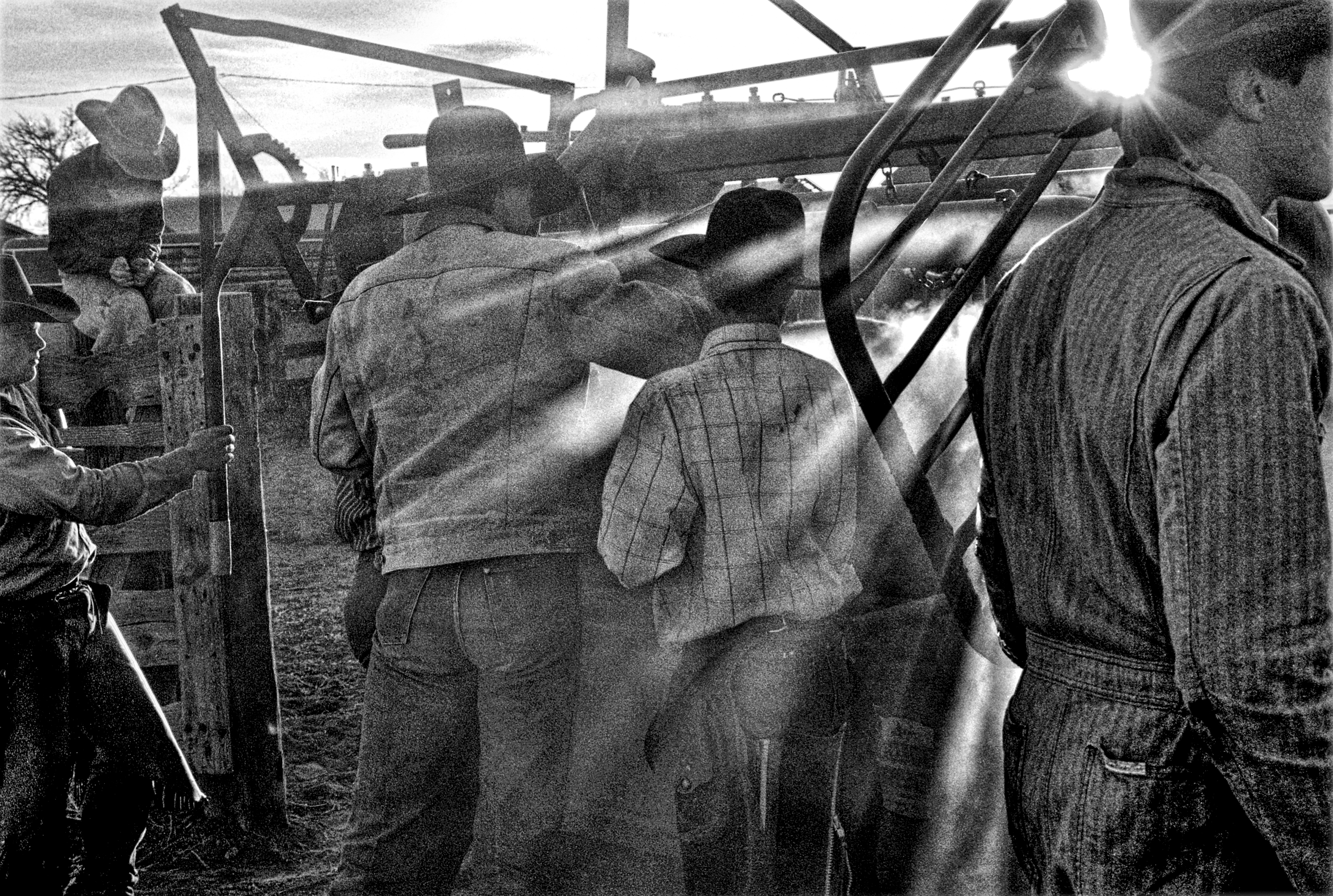
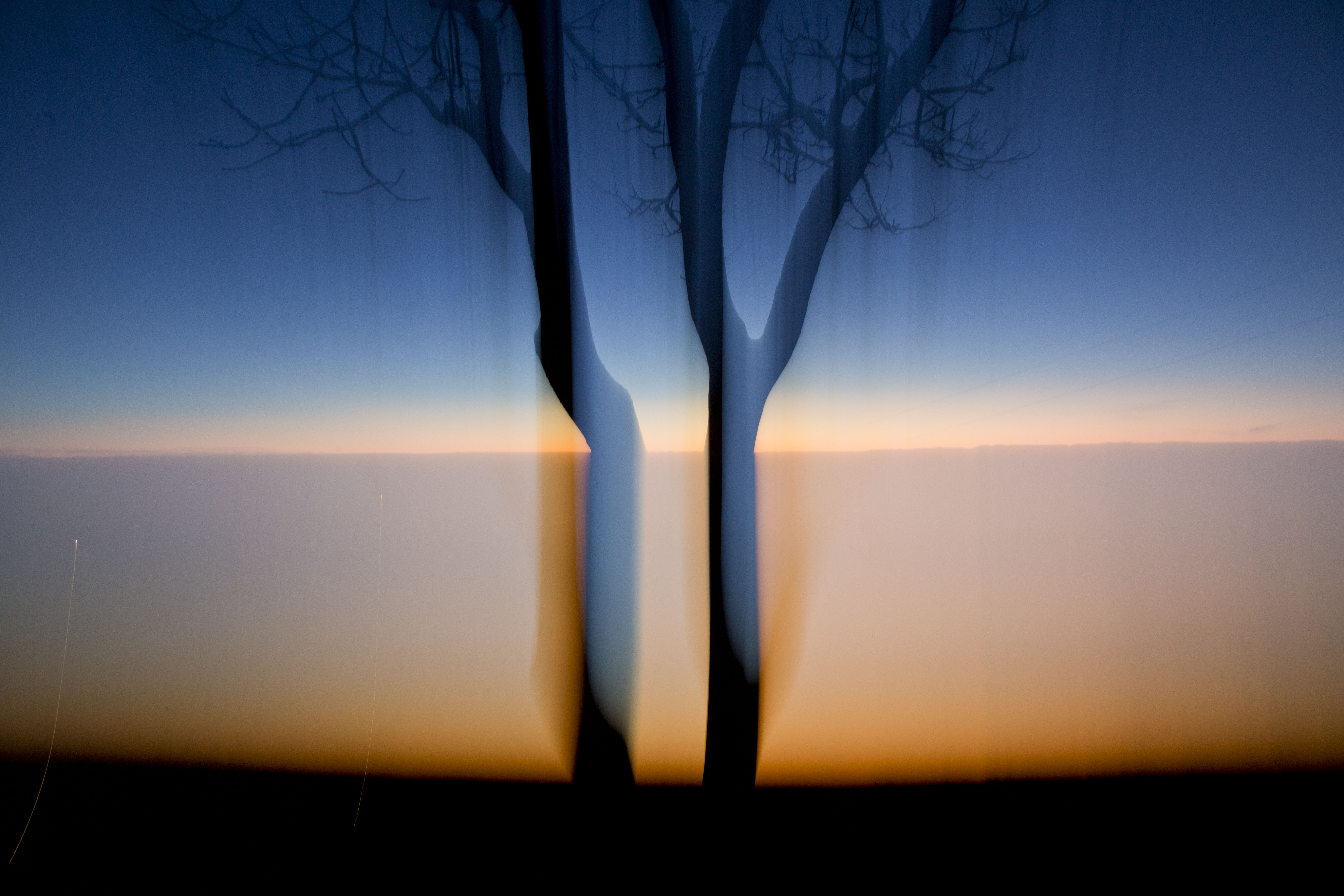
© George Craig
Meet Texas-based photographer and fine-art printer George Craig. George was the 2024 Best in Show winner for APA LA’s Off the Clock photo exhibition and one of the top Untitled finalists in 2020. He began his photography journey capturing images during surf trips to Mexico in the 1960s. He holds a Bachelor’s in Photojournalism from the University of Texas, School of Communications.
Do you have a favorite podcast?
When we do road trips, for which there are many, my wife and I choose podcasts according to where we are headed, so they are always something to do with the history or the geography of the area we are touring.
What 3 words best describe your photography style?
Simplistic…Abstract…Graphic
What inspires you?
Found objects and scenes in nature and the natural world. As I am not as involved in the corporate work as much as the fine art part of photography, my vision starts with what I can see…what I find while out in the world, and then try to capture that in my shooting style.
What’s your favorite thing about being a photographic artist?
Using the tools and techniques that I have accumulated over the years. From the commercial side of my work, I was a storyteller. I try to do the same with my artwork and let the image, or series of images tell the viewer the how and why they are meaningful.
When you aren’t making photographs, what other pastimes do you have?
At present, I am doing more printing than shooting. I have a huge inventory of color and b&w film that I have shot over the past 50 years. Going back and finding new images that were overlooked in the first round of selection is very exciting. Utilizing modern technologies to scan and print images that I had never thought of when they were captured, is like being back there again in that moment.
Who have been your biggest influences?
Henri Cartier-Bresson for photography, my father for doing business, Lewis Portnoy for involving me in the world of sports photography before auto focus and automatic cameras. The tools and methods I learned to shoot fast-moving objects/people helped me immensely to look at and be prepared for anything I see through the viewfinder.
What was the best piece of advice you were given starting out?
My father who has been in the advertising business most of his career, said to NOT work for Ad Agencies…work directly with the client/customer/designer. You will have better communication and feedback about the project, and you will ultimately get paid quicker.
What are the current challenges that you face as photographers and artists?
With the over-saturation of imagery…tv, internet, social media etc, the viewer is overwhelmed with visual stimuli. It is my (our) duty to educate the prospective clientele we are after, as to what is good and why.
Of course art is appreciated by the eye of the beholder, and we (I) have to create images that strike a chord with the viewer. I can’t reach everyone, but those that I do make the difference to me in their appreciation.
What have been some of the highlights and challenges of your career so far?
Most of all, meeting some of my musical heroes, Sonny Rollins, Johnny Cash, Linda Rondstadt, BB King, James Brown, Vicente Fernandez…being on tour with ZZ TOP, Clint Black, Asleep at the Wheel to name a few, that was the fun part. Most of my work was within the corporate sector, primarily within three divisions, industrial, healthcare, and education. 90% was in locations scattered over the world. Meeting and learning about nano-science from the individuals themselves, the discoveries of new ways to fight diseases, and the dedication that educators, scientists, and researchers have to their craft was so inspiring to me in my small world of telling their story with photography.
What were you doing before you became a photographer?
I have really never done any other type of work. In college I worked in a commercial darkroom that specialized in large b&w murals…some for advertising, but most work was for interior design/office or museum decoration. We printed one mural that was 16′ tall, and 42′ wide. Old school ways that taught me how to be a better printer, which I still enjoy doing today. I have had a darkroom in my home or studio since the 1970s and find the practice of analogue printing very satisfying, spending minutes and hours producing an image, and not just seconds at the computer.
If you weren’t a Photographer, what would you be doing?
Building something…I have built, from the ground up, three different studios, two different homes, and remodeled all the others that I have inhabited. Our current home was designed by me, and I did all the interior build-out and finishes as well…I like to keep busy with my hands. Currently I am helping my sister build her home out near ours, a 3,000 sqft mid-century modern design.
What do you do when you get stuck?
We live out in the countryside, so just sitting out in the morning, watching the sunrise over the Guadalupe River Valley where I can see for miles with very little noise except for birds and other native animals waking up to the day as well. I get to reflect on the peace and quiet
I have so many projects going on, from building, to digital printing, to darkroom work, so there is always something else to turn to and get a change of perspective and let the “stuck” idea have a rest.
What is your best advice for your peers?
Be a part of the photographic community. As a lifetime member of ASMP and an almost 10-year veteran of APA, join with your fellow creatives at your local and national meetings. We had monthly ASMP gatherings, and although these members are your competition, sharing stories, both good and bad, helped me to strive to become better in my craft, and never think that you know it all or have done it all … there is always something new to discover if you open up your eyes and your mind.
What advice would you give to yourself if you could go back 10 years? 20 years?
I have been working on my fine art photography over the past 10 years, and should have been looking closer at competitions (like the APA untitled/Off the Clock/Something Personal) that were focused on the “creative” or personal work. There are many opportunities, through galleries and groups, to present and show the personal work that all of us have. Eventually the commercial work will end, but the process of being creative will remain and these alternative outlets will be the key to remaining and working on personal photographic projects.
20 years ago, with commercial work still in full swing, I should have been more proactive with my capabilities with Drone and Motion photography. I hired third parties to help with those work streams, and if I had done the homework and educated myself in those areas, I would have been able to offer clients a wider range of capture capabilities. Of course, my argument was to keep focused on what I knew the best, still photography, but one cannot predict the future and see how diluted the market would become, forcing rates to fall, and the acceptability of great photography to diminish as well. I am speaking personally on this issue … but when a client tells me (about 20 years ago) that he did not need to send me out to a specific location because … ‘our employee Bob can get a shot of this site with his cell phone that will work…’
Check out more work from George Craig.
 APA | San Diego