APA | SD presents: Peer-to-Peer Critique January 15th, 2025


We’re excited to kick off a new year with a peer-to-peer event on Wednesday, January 15th at 6:30 pm. This time, we are focused on PHOTOGRAPHY BOOKS and projects that have inspired them.

Have you completed a photography book? Do you have a project you are considering publishing in book format? Do you have a favorite photography book that has inspired you? We’d love to know more about all of them! Join us on Wednesday, January 15th at 6:00 p.m. with your books in hand. This is an in-person opportunity to share your work with a group of peers or participate in discussing the work of others.  

Mingling begins at 6 p.m. and discussions will begin at 6:30 p.m.

WHEN: Wednesday, January 15th, 2025 | 6 PM

WHERE: Studio on Banks | 5343 Banks St, San Diego, CA 92110

Email director@apasd.org to register.

This is a FREE event.

MEET. Jennifer Curry Wingrove

© Jennifer Curry Wingrove

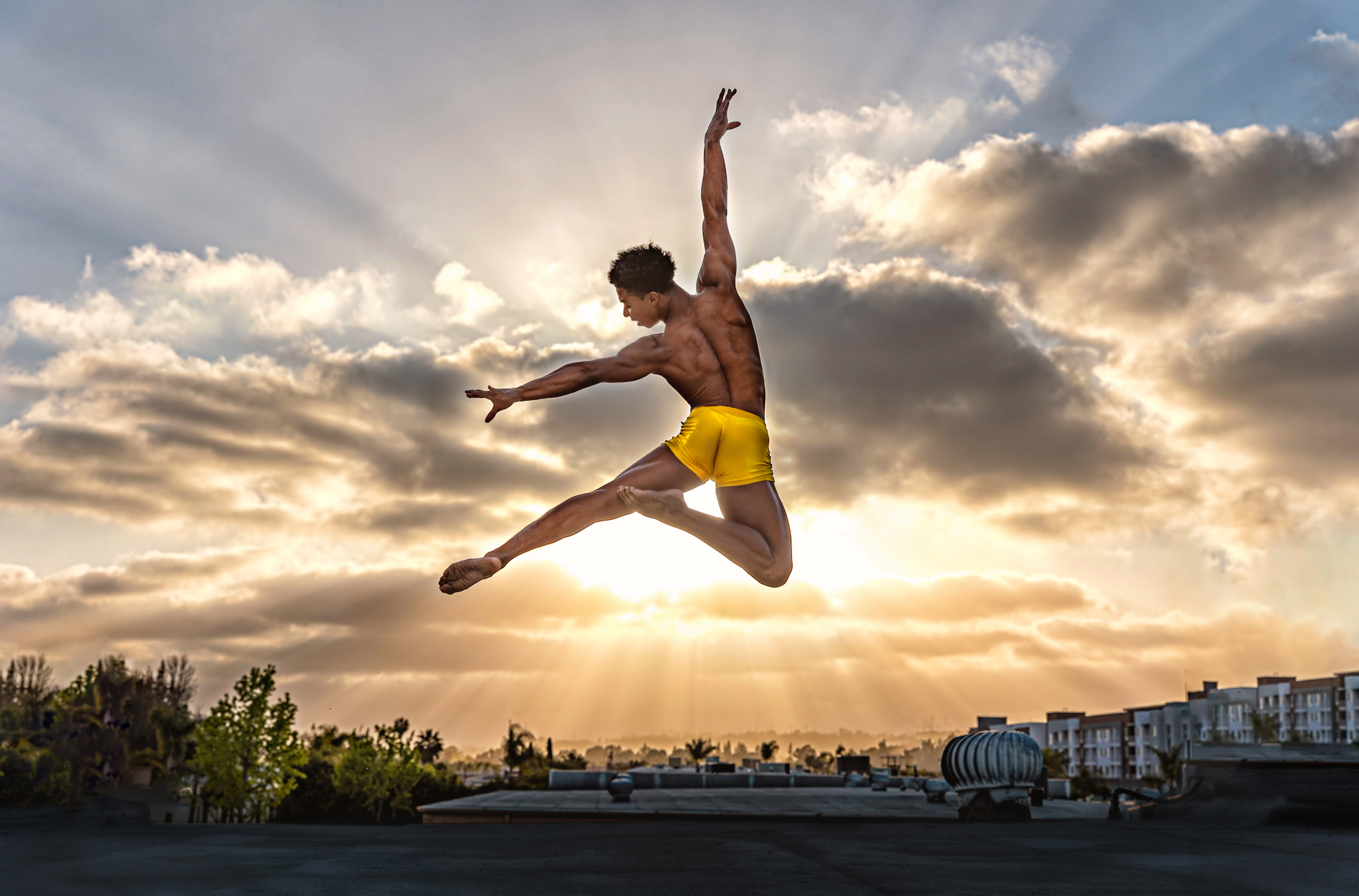
Meet San Diego-based photographer and director, Jennifer Curry Wingrove. Jennifer was also the Untitled People’s Choice recipient in 2023.

Do you have a favorite podcast? 
I do not. I tend to take online courses of interest rather than listen to podcasts. 

What 3 words best describe your photography style? 
Dynamic, Vibrant, and sometimes Whimsical 

What inspires you? 
Spectacular productions, breathtaking landscapes, expressive dancers, music that speaks to the soul, nature, and a good cup of coffee.

What’s your favorite thing about being a photographic artist?
Bringing joy and awe to my clients and audience alike. Photography also gives me an opportunity to create and express my artistic self, which is important to me as I am a retired dancer and no longer have the ability to express myself through movement. I also get the opportunity to teach and mentor in the photography world, which I love! 

When you aren’t making photographs, what other pastimes do you have?
I love traveling the world! When I am at home, I enjoy Pilates, plants, and my adorable fur babies! 

Who have been your biggest influences?
I will never forget receiving a postcard with an image of 2 dancers on it taken by the incomparable Lois Greenfield, who started her Dance Photography adventures back in the 70’s. I was 12 at the time, and put the black and white postcard on my vanity mirror. I started collecting more of her work, including a book that I recently had signed by Lois herself when I had the opportunity to take a dance photography course from her at a dance photography conference. I was giddy to meet her and learn from her. Other influences include Ken Browar and Deborah Ory, who created the NYC Dance Project, a photography project that combines dance and fashion. Rachel Neville is also in New York creating inspiring and dynamic images of dancers. I had the opportunity to take a few courses from her, and she inspired me to open up my own photography studio. And let’s not forget the iconic Joe McNally, who I had the incredible opportunity to model for. His books are full of valuable information as well as a great sense of humor. 

What was the best piece of advice you were given starting out? 
Take risks – push through your vulnerabilities. Every famed artist started at the beginning! 

What are the current challenges that you face as a photographer?
In a world where phone camera technology has developed so incredibly, many people see no need for commercial portrait photography. All of a sudden everyone is a “Photographer”. Keeping a photography studio business alive is a huge challenge these days, and one I am personally trying to overcome. 

What have been some of the highlights and challenges of your career so far?
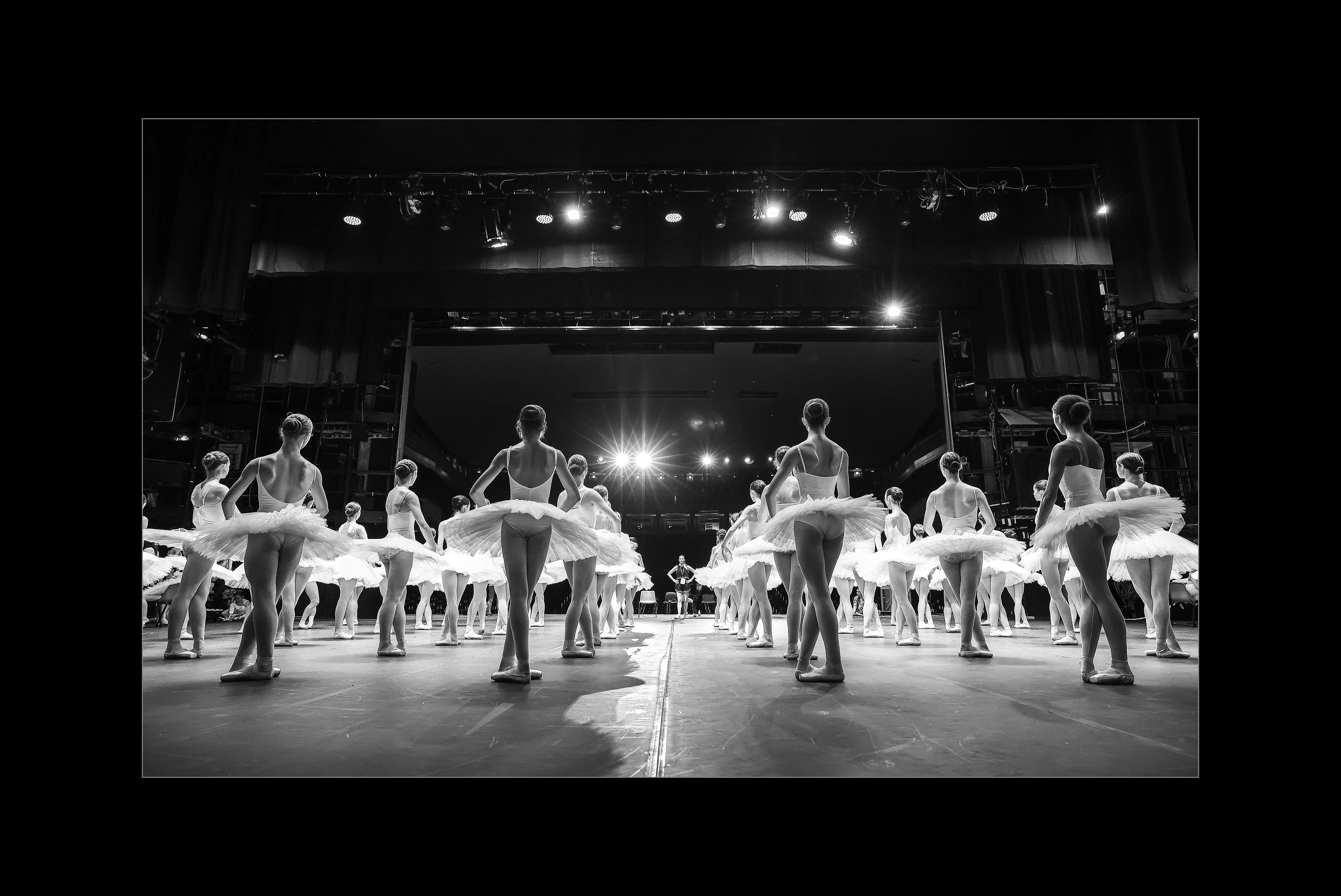
So many highlights! Becoming a specialized dance photographer has brought many fun opportunities my way – including a current contract that has me touring worldwide with an organization called Youth America Grand Prix, which has been described as the “Olympics of Ballet”. I photograph the performing dancers from the wings, which is a very comfortable and familiar perspective for me as a retired Ballerina. The tour also includes photographing famous ballet dancers in Gala Performances at the Lincoln Center in NYC as well as stages in Italy, Paris, and Barcelona. Challenges? As stated above, maintaining a brick-and-mortar studio when rent is can be overwhelming. 

What were you doing before you became a photographer?
I was a professional ballet dancer, and even earned the title of “Ballerina” with the California Ballet Company here in San Diego. Ballet was my everything. My mother was the dance photographer for the company for many years, so I had the opportunity to shadow her and learn film photography and processing. I grew up with a darkroom in my garage! Dance photography was a natural transition for me after retirement. 

If you weren’t a Photographer, what would you be doing?
If I was not a photographer (and had an unlimited source of income) I would be Producing and Directing shows!! I have successfully produced, directed, choreographed, and performed in 4 award-winning full length aerial-dance shows, and LOVED it. However, finances (and Covid) resulted in me stepping away from such adventures and further focusing my energies and attention into my photography business. 

What do you do when you get stuck?
I reach out – to mentors, to friends, to community. Others see things differently than I do, and can often offer a different perspective that I may have missed. Also, I go see shows (photography, dance, theater), and those always get my creative juices flowing again. 

What is your best advice for your peers?
To do the same – stay connected to a community that resonates with your craft. See other people’s work. Ask questions. Keep exploring. Keep learning. 

What advice would you give to yourself if you could go back 10 years? 20 years?
Stop worrying so much about what other people think.  
Take risks. 
Don’t give up when things don’t go as planned.  
Trust your instincts.  
Find play in work.  
Value friendships and relationships deeply. 

What is a photographer’s role now that technology has made it so much more accessible to the masses? 
To bring creativity and value to the table. To create experiences with their clientele. 

Check out more work from Jennifer Curry Wingrove.

APA | SD presents: Culture & Coffee on October 18


Join APA | SD for a casual gathering for members at the Museum of Contemporary Art San Diego in La Jolla on Friday, October 18th from 12pm-2pm PT to tour their new exhibition. Meet us for a tour at noon and stay to grab a coffee with us afterwards.

This is a great way to connect with other photographers and members, learn more about APA and ask any questions. 

Where: Museum of Contemporary Art San Diego in La Jolla | 700 Prospect St, La Jolla, CA 92037 

When: Friday, October 18th at 12pm 

Cost: Tour is FREE for members 

This is a member’s only meet up for the museum tour and chance to stay after for a coffee so come out, meet other members and get more involved with your local chapter. 

Please RSVP by 10/15/24 to director@apasd.org, as we need to provide a headcount for the museum.

We hope to see you there!

Untitled 2024 Call for Entries now open!

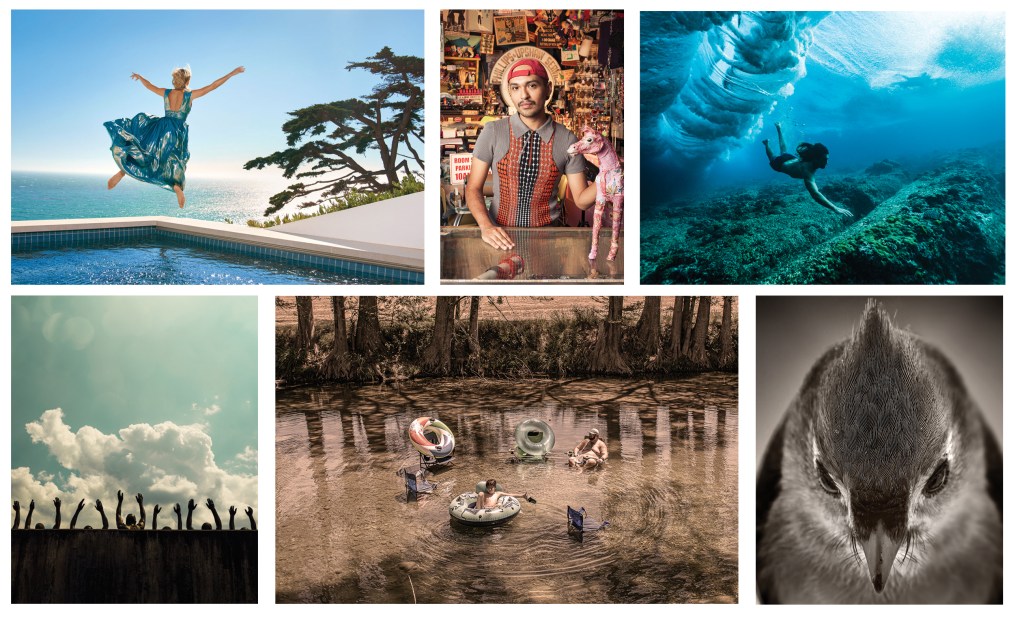
Select Untitled 2023 finalist clockwise from top left: Elisabeth Caren, David Price, Todd Glaser, Robert Atkinson, Taggart Lee, Mickey Strider

APA|SD is proud to announce our 11th annual Untitled photo competition and exhibition. Entries are now open.

Untitled is an annual competition and exhibition designed to showcase the best work of APA members and beyond – Images that show your unique vision, creative passion, and individualistic style, titled or untitled. This contest is open to all photographers at any level. All entries will be curated by our jurors and the top 20 images will be selected to display for exhibition with the top three (3) photos awarded prizes.

While an APA membership is not required to enter, members receive discounts on entries as well as sponsor benefits and discount pricing for gear and services throughout the year.

We welcome this year’s jurors: Bade Turgut, Director of Weinstein Hammons Gallery and photography consultant, Julie Skarwecki.

You can find full details and submission guidelines at untitledshow.org.

Entry fees help support programming and events for APA San Diego and 20% of the entry proceeds will be donated to the Flashes of Hope a program of Alex’s Lemonade Stand Foundation that creates free uplifting portraits to honor the unique life and memories of every child fighting cancer.

Deadline extended to 12:00 PM PT on October 16th, 2024.

APA’s mission is to advocate, educate and elevate the professional photographic community.

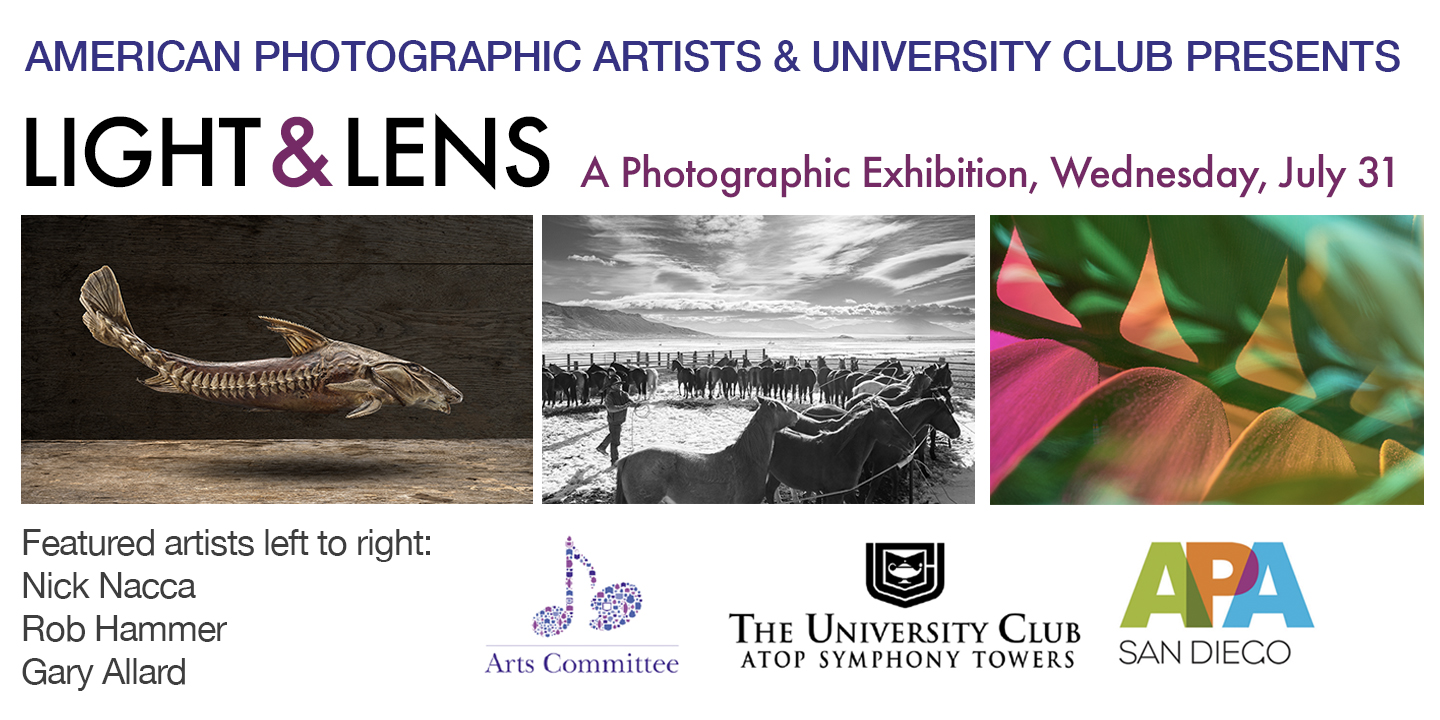
Lens & Light Artist Reception, July 31st

Light and Lens photo exhibition on Wednesday, July 31, 2024, at the University Club in San Diego.

Join APA|SD and The University Club Arts Committee to celebrate the works of San Diego photographic artists and APA members Nick Nacca, Rob Hammer, and Gary Allard.

Experience this unforgettable exploration of visual storytelling through lens and light at the Arts Committee exquisite photography art exhibit. This unique event celebrates the artistry and creativity of talented photographers, showcasing their distinct perspectives and narratives frozen in time. Experience the power of photography as it transports you across landscapes, cultures, and emotions. From breathtaking landscapes that evoke wanderlust to intimate portraits that reveal the essence of human connection, each image invites you to delve deeper into the artist’s vision and the stories they tell.

When: Wednesday, July 31, 2024 | 5:30 – 7:30 pm
Where: University Club Atop Symphony Towers
750 B St Ste 3400, San Diego, CA 92101

Complimentary to Attend | Registration Required
Register Here

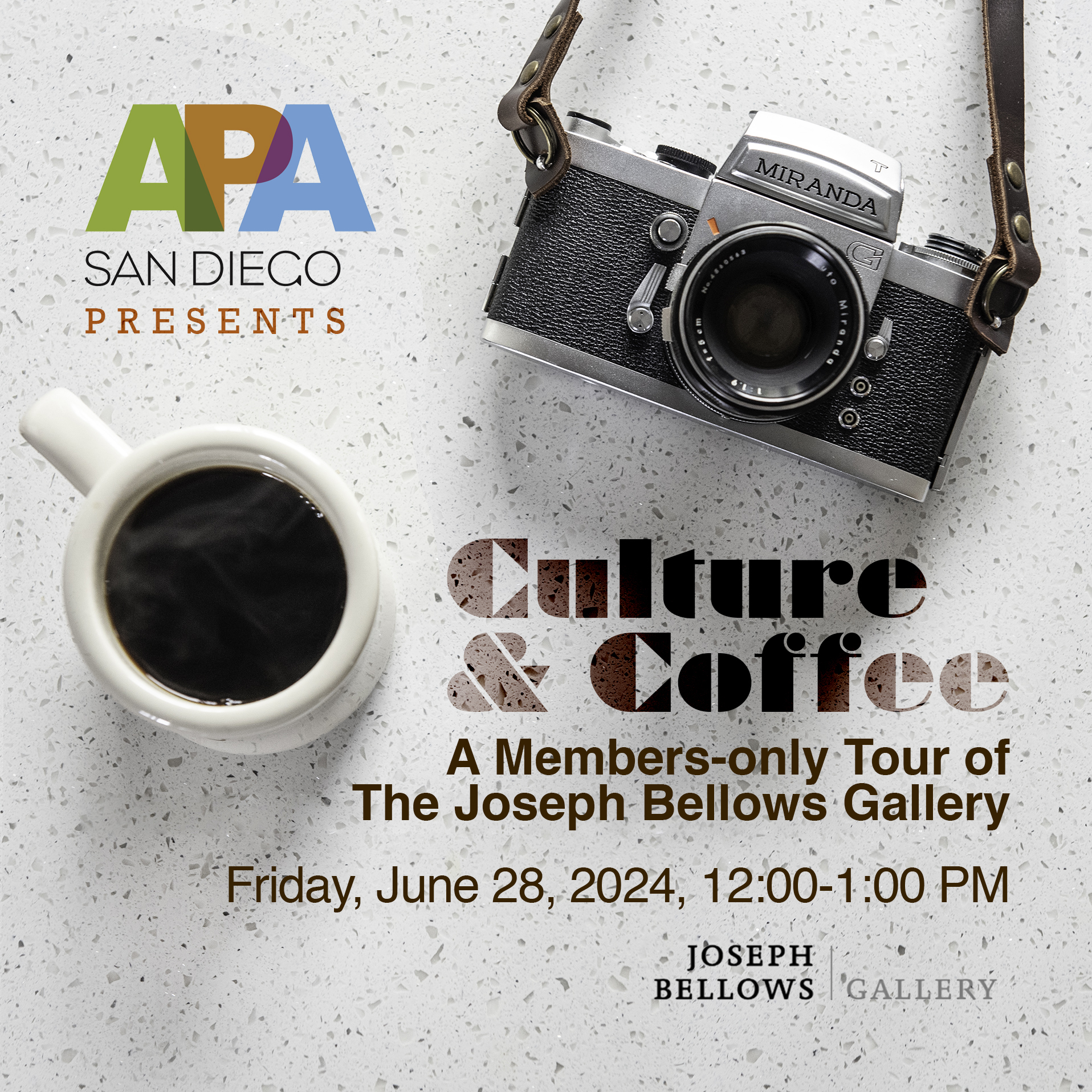
APA | SD – Culture & Coffee June 28th


Join APA | SD for our next Culture & Coffee event at Joseph Bellows Gallery. Meet us on Friday, June 28th at 12 PM to see their current exhibition by Steve Fitch, American Motel Signs, on exhibit through August 31, 2024.

This is an ongoing series and a great way to connect, meet other members, learn more about APA, and ask your fellow peers and board members any questions.

Where: Joseph Bellows Gallery
7661 Girard Avenue, La Jolla, CA 92037

When: Friday, June 28th at 12 PM

Please RSVP to director@apasd.org 

We look forward to seeing you there!

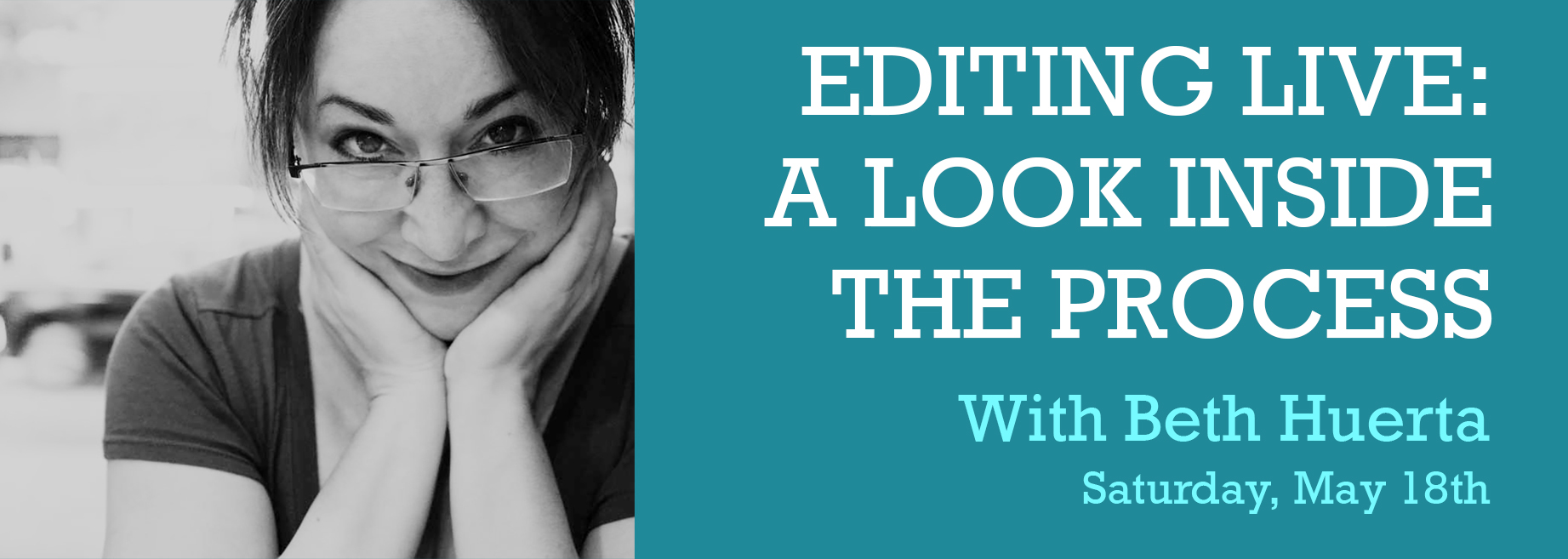
Editing Live: A Look Inside the Process with Beth Huerta  | May 18th, 2024


Join us on Saturday, May, 18th at 10am PST for an online workshop, ‘Editing Live: A Look Inside the Process with Beth Huerta‘. Beth will share more valuable insight on her editing process and talk with 3 photographers about the edits she made to their galleries while attendees observe.

What you can expect during this workshop:

  • A review of Beth’s approach to editing (an abbreviated refresh of
    the information that she covered in her previous workshop).
  • Provide a front-row seat to study her process while she walks us through editing photographer’s work in real-time.
  • Show relevant and important examples of what constitutes an
    effective edit and discuss best practices in editing.

About Beth:
In her current position as Senior Agent/Editor at the award-winning agency Candace Gelman & Associates, Beth has been fortunate to work with, advise and represent renowned artists such as Sandro, Marcus Smith, Olivia Bee, Kennedi Carter and The Voorhes, amongst others. She also works as a freelance editor for photographers including Art Streiber and Tracy + David. Prior to CG&A, Beth worked as a consultant/assistant for a bevy of internationally acclaimed advertising and editorial photographers including Howard Schatz and Theo Westenberger. Beth is a frequent workshop presenter and contributing writer for the American Photographic Artists Association. She is an adjunct instructor for the Photography program at Drexel University and has taught at The University of the Arts and Columbia College Chicago. Beth serves on the advisory board for FreshLens Chicago and is a Mentor for NYC Salt, a program that creates opportunities in visual arts for under-served New York City youth.

Register today for this exclusive online workshop with Beth and learn how to take your editing game to the next level!

WHEN: Saturday, May 18th, 2024 | 10:00 AM – 11:30 AM PST
WHERE: Online
COST: APA members $20, Students $15,  Non-Members $40

RSVP HERE today!

APA | SD presents: Peer-to-Peer Critique May 15th, 2024

© Gary Allard

Do you have a photography project or series you’re passionate about? Curious what your peers and others think of it?

Join APA | SD and our photo community on Wednesday, May 15th at 6:00 PM PST for an evening dedicated to sharing creative projects. This is an opportunity for you to share your work and/or to comment on the work of others. Four artists will be selected to share their projects in an in-person critique setting. Our “Peer to Peer” events are open to everyone, but you must be a current APA member to present your project.

As independent artists, we know it’s not easy to create in a silo. Sharing your work is an invaluable way to help find your voice and leverage the communal nature of creativity. Letting others in on your process can be inspiring and helps lead to self-discovery that can push a project even further.

If you don’t have a project to share, that’s ok. Come out to support the artists and photo community. Constructive feedback and insight are always welcome.

Send us a link to your project for consideration. Submissions should be ready to share and present to an audience. If you are selected to present, you will be given 15-20 minutes including time for comments and questions.

WHEN: Wednesday, May 15th, 2024 | 6 PM

WHERE: Studio on Banks | 5343 Banks St, San Diego, CA 92110

COST: Free

RSVP here to reserve your spot today!

Email director@apasd.org to reserve a spot and/or submit your project; the deadline to submit is May 9th, 2024.

This event is open to everyone.

MEET. Annie Omens

© Annie Omens

Meet San Diego-based photographer and APA member, Annie Omens. Annie is a photographic and mixed media artist who explores the natural world with a conscious perception of what is hidden, what is known, and how nature impacts the human psyche.

What 3 words best describe your photography style? 
Detailed, mystical, layered.

What inspires you? 
I am inspired by nature and am always challenged to reveal what might be hidden beneath the surface.

What’s your favorite thing about being a photographic artist?
I enjoy working with mixed media but love the immediacy of photography.

When you aren’t making photographs, what other pastimes do you have?
I love riding horses and walking my dogs in nature.

Who have been your biggest influences?
In college, my teacher, Fred Endsley influenced me by “seeing me” and encouraging me. Currently, Aline Smithson has inspired and supported me as a mentor.

What was the best piece of advice you were given starting out? 
Be yourself and keep going (don’t quit).

What are the current challenges that you face as a photographer?
For me, learning and keeping up with social media is challenging.

What have been some of the highlights and challenges of your career so far?
The challenge has always been the business part- writing, marketing, and social media. A recent highlight has been being part of a collective of women photographers and showing with them nationally.

What were you doing before you became a photographer?
Wondering how to make a living in photography. Haha. I was considering graduate school. I was substitute teaching in a public school system, and then assisting a big-name photographer. I was getting little jobs in photography that wet my appetite, putting me on a path of knowing what I wanted to do. I just didn’t know how to get there. Being an assistant opened up my eyes to the business of photography, and sort of pointed me in a direction.

If you weren’t a Photographer, what would you be doing?
I have been a fine artist my whole life, and since that did not pay the bills, and, I loved to travel, I worked as a flight attendant for many years.

What do you do when you get stuck?
Don’t force anything, take a break.

What is a photographer’s role now that technology has made it so much more accessible to the masses? 
It’s important to understand what a good photograph is in artistic terms.  Knowing about composition, color, or tone, line, scale, texture, light, etc., allows you to convey what you want to express with the most impact.

In response to the current technology, in the fine art world, there seems to be a return to alternative methods of photography by going back to film and crafting an image physically by hand instead of on the computer. It’s also exciting to see how photographers are redefining what a photograph is by printing on different substrates, and displaying them in unique ways or working with mixed media.

Check out more work from Annie Omens.

MEET. Eric O’Connell

© Eric O’Connell

Meet Texas-based photographer, Eric O’Connell, who specializes in advertising and corporate photography. Eric works with clients ranging from Oracle, Microsoft, Wired, Ritz Carlton and more. “My work highlights the heroic, the relatable the contrasts and contradictions in our humanness.”

Do you have a favorite podcast? 
Not a favorite per se, but I like several. I generally gravitate towards either a quick, one-off story, or a longer story spread out over several episodes. In no particular order: WTF with Marc Maron, The Witch Trials of J.K. Rowling (from The Freepress) – I recently listened to this, and it’s fascinating. Freakonomics, and RadioLab are always interesting. Some photography-related podcasts I have in my feed: Storytelling for Change; The Messy Truth; Dear Art Producer.

What 3 words best describe your photography style? 
Moody, Relatable, Direct (honest)

What inspires you? 
The heroic in the everyday person; subliminal contrasts; the forgotten, or those with no voice.
Lighting inspires me. Crafting with light. Learning.

What’s your favorite thing about being a photographic artist?
I love that the camera, and this career, has been a key to other worlds I would not normally be allowed to see, or experience. I love that I get to learn about so many different people and places. I am also a fan of the collaboration that happens, especially with commercial photography.

When you aren’t making photographs, what other pastimes do you have?
Cycling is probably #1. Mountain biking and road biking and city biking and … all bicycling.
Also, eating well, and cooking. I love cooking. Hiking and camping.

Who have been your biggest influences?
I am continually influenced on a daily basis by those around me, some having nothing to do with photography, per se. Photographic influences seem to crop up when I least expect them. Perhaps I take a photo, and want this or that in the photo, only later discovering a photo in history that had some similar characteristics that, at the time, I hadn’t thought about. Lasting influences seem to be hidden in the subconscious somewhere. I can point to influences in lighting (Albert Watson), ideas (the design group Hipgnosis), structure and craft (Irving Penn), nature and storytelling (Michael Nichols), beauty, stillness, landscape (Michael Kenna), black and white stark printing and use of negative space and wide angle (Bill Brandt).

What was the best piece of advice you were given starting out? 
I was told to take 2 weeks, use some particular gear (whatever I had), and shoot everyone you know. At the end of that time period I had a portfolio that looked like one person’s vision and that is what I took to NY City and got my first jobs.

What are the current challenges that you face as a photographer?
The ever-shifting technological landscape makes it hard to locate where photography fits within. Getting simple jobs––an actor’s headshot, for example––used to be a little “bread and butter.” But, with the democracy of who can take a photo, what people expect to pay is far less––sometimes not even worth it. AI, and any new technologies always present a challenge. How to work with and use them?

What have been some of the highlights and challenges of your career so far?
There are so many highlights, and challenges. As a kid I lusted after hot rod cars; had debates whether driving a funny car, or a dragster would be a better experience (dragsters always won for me). I looked at magazines filled with images of ‘top fuel’ racing. Later, as a photographer, I had the perfect job: Shoot a drag racer for Silhouette Eyewear (who drives a dragster!). That kind of thing has always been a highlight that only photography could bring about.

As a photographer, I’ve had to reconcile what making images in this time means, and how they are translated across media. For example, my 9/11 images, though striking and moving, and coming out of a photojournalism perspective (I have a degree in photo-j), made me question what I was doing as an advertising and (at the time) editorial photographer. That event alone shook my foundations and made me question my role as one who makes photos to sell something to someone. I questioned whether it was worth it or not. Instead, was it better to take photos that talk about how I see the world? Unfortunately, at that time, my view of the world post 9/11 was cynical, and, for example, looking at a polluted waterway (I did a small personal project on Newtown Creek, the most polluted waterway in the United States) wasn’t something that got me work through my normal channels. I didn’t know where to look, or how to find my own relevance in doing something that I was trying to make a political statement with. The challenge for me is finding what I want to say, and finding a way to say it.

That reflection has made me reflect and pursue some other projects––artistic projects––and led me to Germany and Europe to take a look at different cultures with my Cowboys: East Germany project. That project opened up a new world for me. It also made me realize that part of my process of growing and evolving led me to teaching at a university. Sharing my experiences and knowledge to a new generation has been fulfilling.

What were you doing before you became a photographer?
Wondering how to make a living in photography. Haha. I was considering graduate school. I was substitute teaching in a public school system, and then assisting a big-name photographer. I was getting little jobs in photography that wet my appetite, putting me on a path of knowing what I wanted to do. I just didn’t know how to get there. Being an assistant opened up my eyes to the business of photography, and sort of pointed me in a direction.

If you weren’t a Photographer, what would you be doing?
Making images, or art of some sort. It’s hard to say. Perhaps journalism (which now has its own set of problems), or most likely anthropology (cultural) because I like being out and about in the world and looking at how people live, work, play, etc. Some act of discovery in whatever form that is, is what I would be engaged in.

What do you do when you get stuck?
Reach out to my tribe, my friends, my books, new ideas, art… it’s an active process to become unstuck. Take photos, and let my mind go.

What is the best advice for your peers?
People will hire you for your vision and your POV. Believe in it, and stick to it.

What advice would you give to yourself if you could go back 10 years? 20 years?
Save money. Learn about business practices. Set up your photography business like a business. Believe in your vision then, and go for it! (Otherwise, you’ll get lost).

What is a photographer’s role now that technology has made it so much more accessible to the masses? 
Technology frames the urgency to produce imagery that creates genuine human emotion, instead of something that you prompt into place.

Check out more work from Eric O’Connell.